Have you ever watched a toddler pick up a new word in a second? It’s almost like magic. While we adults struggle with grammar books and translation apps, kids seem to just absorb speech from the air around them. This isn’t just luck it is a biological superpower. Nowadays, the benefits of multilingualism are shifting from a cool party trick to something that’s just essential for school and life.
Parents everywhere are starting to realize that the world is getting smaller. We aren’t just raising children to work 9-to-5 in our hometowns anymore we are raising them to have a comprehensive, cosmopolitan worldview. That’s why so many people are suddenly curious about the connection between child brain development, languages and cognitive growth. It’s not just about getting by on vacation; it’s about the deep-seated changes that allow a child to understand complex ideas.
Why Children Learn Languages Faster Than Adults
It often feels unfair how easily a five-year-old can master pronunciation that leaves adults tongue-tied. It mostly comes down to brain plasticity. A child’s brain is like a sponge that is specifically tuned to recognize the phonetic sounds of every human language. As we get older, our brains start to prune away the sounds we don’t use, making it much harder to learn a new accent later in life.
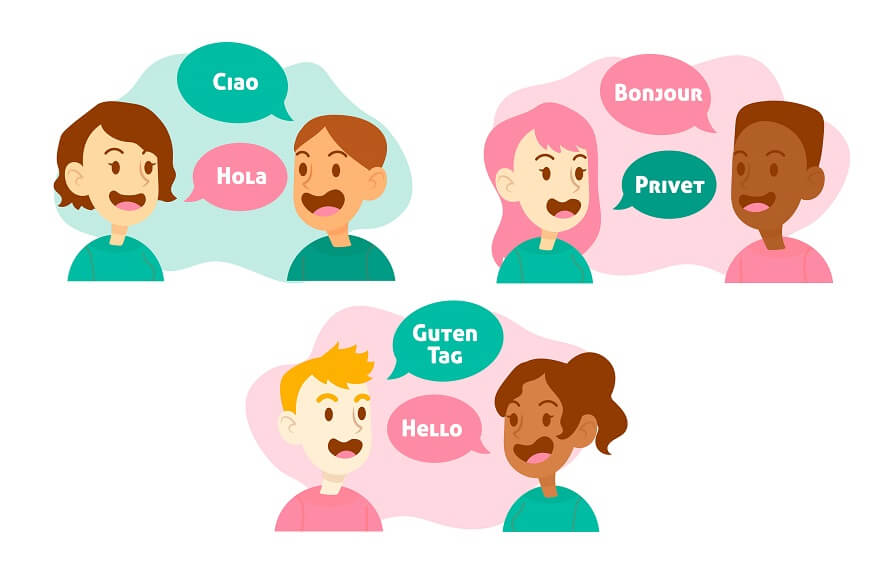
Kids also have a secret weapon they aren’t afraid of looking silly. When students try out a new phrase in French or Sanskrit, they aren’t worried about perfect syntax, they just want to communicate. Just copying sounds and listening naturally works way better than the old memorize the textbook style many of us grew up with. At home or in the classroom, exposure-based learning wins every time over high-pressure drills. The trick here is just staying consistent, not stressing them out.
Cognitive Benefits of Learning Multiple Languages
If you could give your child a workout for their brain that improved their memory and focus at the same time, you would do it, right? That’s pretty much what happens. The cognitive benefits of language learning are well-proven by years of neurological research. When a child switches between English, Hindi and a regional or foreign language, their brain’s executive function gets a massive boost.
It’s basically a mental juggling act. The brain has to constantly inhibit one language while activating another. This strengthens the prefrontal cortex, which is responsible for:
- Problem-solving: Multilingual kids often find creative ways to solve puzzles.
- Task-switching: They move between math and art more fluidly.
- Focus: They become better at filtering out noise to stay on task.
- Memory: Retaining different vocabularies expands their mental storage capacity.
Social and Emotional Advantages of Multilingual Learning
Brain perks aside, there’s a really human side to it all. A child who speaks more than one language grows up with a wider window into the world. They don’t just see different words; they see different perspectives. This builds a high level of cultural empathy. When you understand how someone speaks, you start to understand how they think.
You might notice that multilingual students often carry themselves with more confidence. From speaking up in a debate to making friends on the playground, they have fewer walls up. They are used to navigating different social contexts, which reduces that common hesitation many feel when speaking in public. It goes beyond grammar it gives them the confidence to actually connect with people.
Why Learn 3 Languages During School Years?
You might wonder, Is three languages too much? Won’t they get confused? The short answer is no. A large number of educational researchers actually point to trilingualism as a major catalyst for intellect and maturity. It highlights exactly why learn 3 languages serves as a perfect sweet spot for anyone looking to expand their mind and horizons. Usually, this involves a Mother Tongue, a National Language and an International Language.
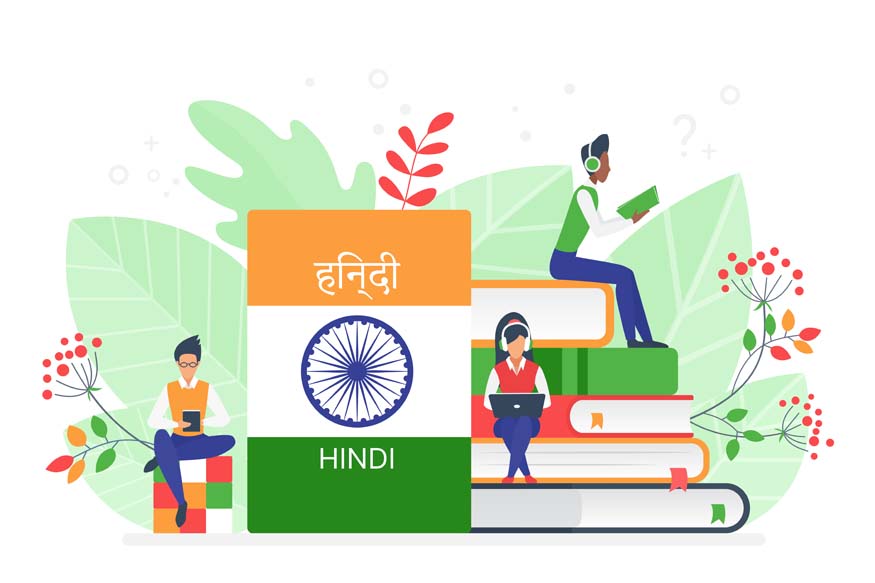
This trilingual approach prepares children for the reality of the 21st-century workforce. Think about it this way: a child who is comfortable in Marathi, Hindi and English has the keys to almost every professional door in India and abroad. It doesn’t confuse them; it actually builds a sort of language map in the brain that makes learning a fourth or fifth language even easier later on.
The Role of Schools in Multilingual Development
Where your kid spends six hours a day makes a huge difference. A quality CBSE school in Nagpur doesn’t just treat language as a subject to be tested; they treat it as a tool for living. Interactive classrooms where things like storytelling, role-playing and language clubs happen every day allowing kids to use their skills in real-time.
In a School in Wardhaman Nagar, you might see students engaged in language immersion through theatre or collaborative projects. This gets them away from just memorizing facts. When children are encouraged to communicate their feelings and ideas rather than just reciting a poem, the language sticks. It becomes a part of who they are, not just something they do for a grade.
How Parents Can Support Language Learning at Home
Schools start the process, but home is where they actually get to practice. You don’t have to be a polyglot yourself to help your child. A very good trick is to simply read books together in different languages.
- Interactive Media: Let them watch their favourite cartoons in a second language.
- Zero Pressure: Don’t over-correct their mistakes. If they say a word wrong, just repeat it correctly in your next sentence.
- Daily Chat: Try having “Language Dinners” where everyone tries to speak a few phrases in a target language.
- Keep it Fun: Games like Scrabble or I Spy in different languages make the process feel like play rather than a chore.
Choosing the Right School for Multilingual Education
Picking the right school is always a massive decision. If you’re looking for a top school in Nagpur, see if they prioritize communication over just finishing the syllabus. The best schools balance rigorous academics with plenty of room for extracurricular language exposure.
If you are looking for School admission in Nagpur, pay attention to the faculty. Are the language teachers passionate? Do they use modern teaching aids? A School in Wardhaman Nagar that fosters a multilingual environment helps your child feel at home in a globalized world. This type of CBSE setup means your child isn’t just memorizing words but is actually becoming a communicator.
Centre Point School: Excellence in Wardhaman Nagar
Centre Point School, Wardhaman Nagar, focuses heavily on well-rounded growth. As a premier CBSE school in Nagpur, we understand that every child is unique. Our curriculum is designed to spark curiosity and foster a deep love for learning. With practical language learning and great facilities, we make sure kids are ready for whatever comes next. If you are seeking a top school in Nagpur that treats your child’s development with the care it deserves, come take a look at our community.
Frequently Asked Questions
Does learning three languages cause speech delays?
No, research shows that while multilingual kids might occasionally mix words, their total vocabulary across all languages is usually larger than that of monolingual children.
What is the best age to start a second language?
Honestly, the earlier the better. Kids pick things up quickest between birth and age seven, though children can still learn very effectively throughout their primary school years.
How can I find a good CBSE school in Nagpur for my child?
Look for schools like Centre Point School that offer a balanced approach to academics, languages and emotional growth. Checking for School admission in Nagpur early is always a good idea to secure a spot.
If we want our kids to thrive in a connected world, we have to give them the words to navigate it. Multilingual learning supports every aspect of a child’s journey from the way their brain processes math to the way they make friends on a playground. It really pays off later in life through confidence, cognitive strength and career opportunities. By choosing a supportive environment and encouraging practice at home, you’re helping your child build a future without borders.